KWAIOTO CONCEPT
A philosophy where machines dream,
cities remember,
and rhythm becomes narrative.
Tech Noir is not a genre.
It is a way of seeing.
A lens through which technology, crime, memory, urban systems and human fragility become one narrative.
Film Noir examined the darkness hidden beneath modern society. Tech Noir examines the darkness hidden beneath technological society.
The machine is no longer merely a tool. It has become the environment itself.
Before Tech Noir, there was Tokyo Noir.
Cam Lasky grew up in Ginza, Tokyo, surrounded by the fading traces of the postwar city.
Behind the bright commercial streets, bomb-damaged buildings still remained. Construction sites occasionally revealed layers of burned debris, melted glass and forgotten remnants of war.
Stories of occupation, reconstruction, crime and survival were not history. They were living memory.
When Cam Lasky later encountered David Peace's Tokyo Trilogy, the novels felt less like fiction than recovered memory.
A series of postwar Japanese noir novels transformed by Cam Lasky into a large-scale Deep Dubstep cycle exceeding one hundred tracks.
The project explored crime, memory, postwar trauma and the hidden architecture of cities.
Noir was already present.
Technology was not yet the central subject.
Tech Noir would emerge later,
but its roots were already buried
beneath the ruins of Tokyo.
The turning point arrived through Titanium Noir, the project that transformed Tokyo Noir into a technological language.
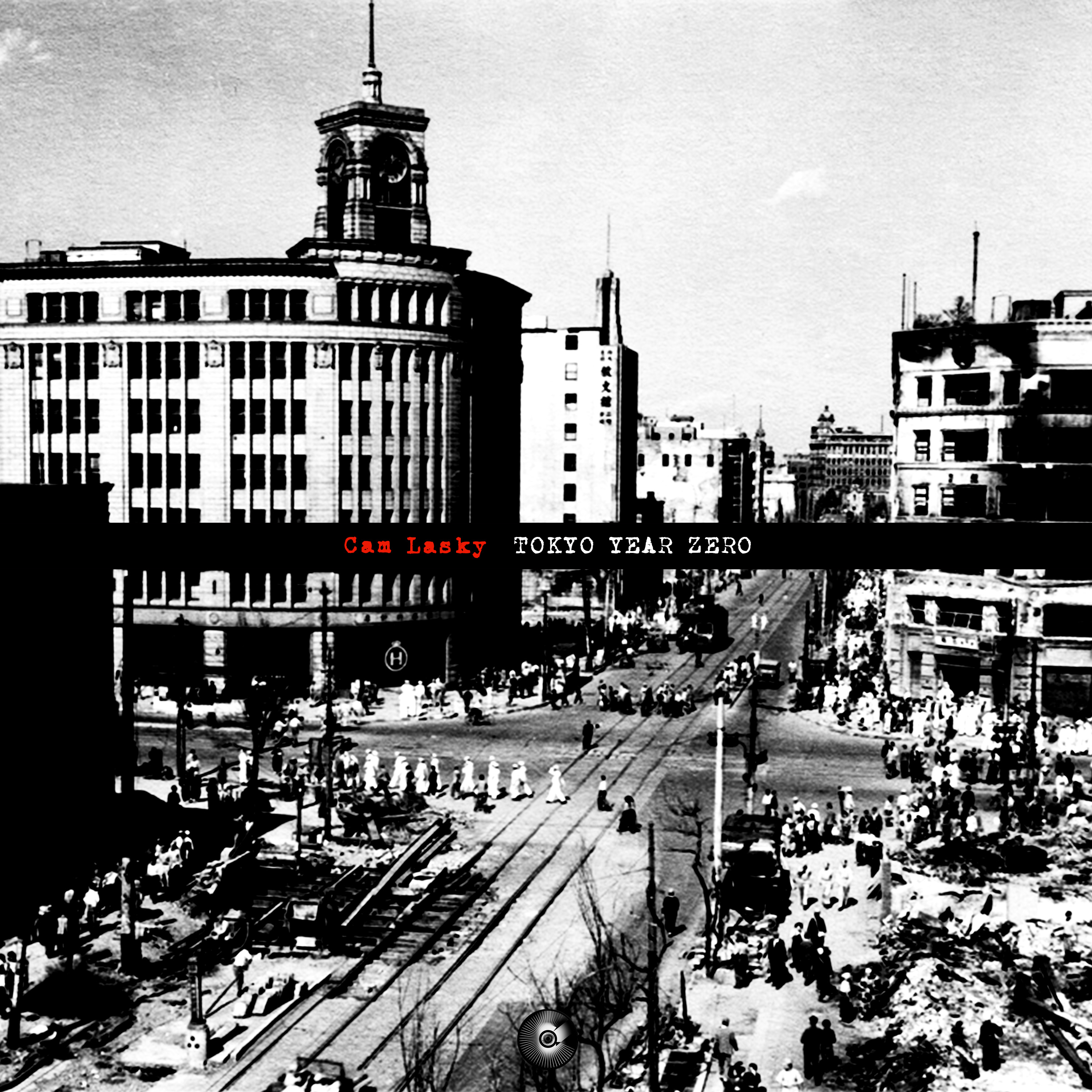
Tokyo Year Zero
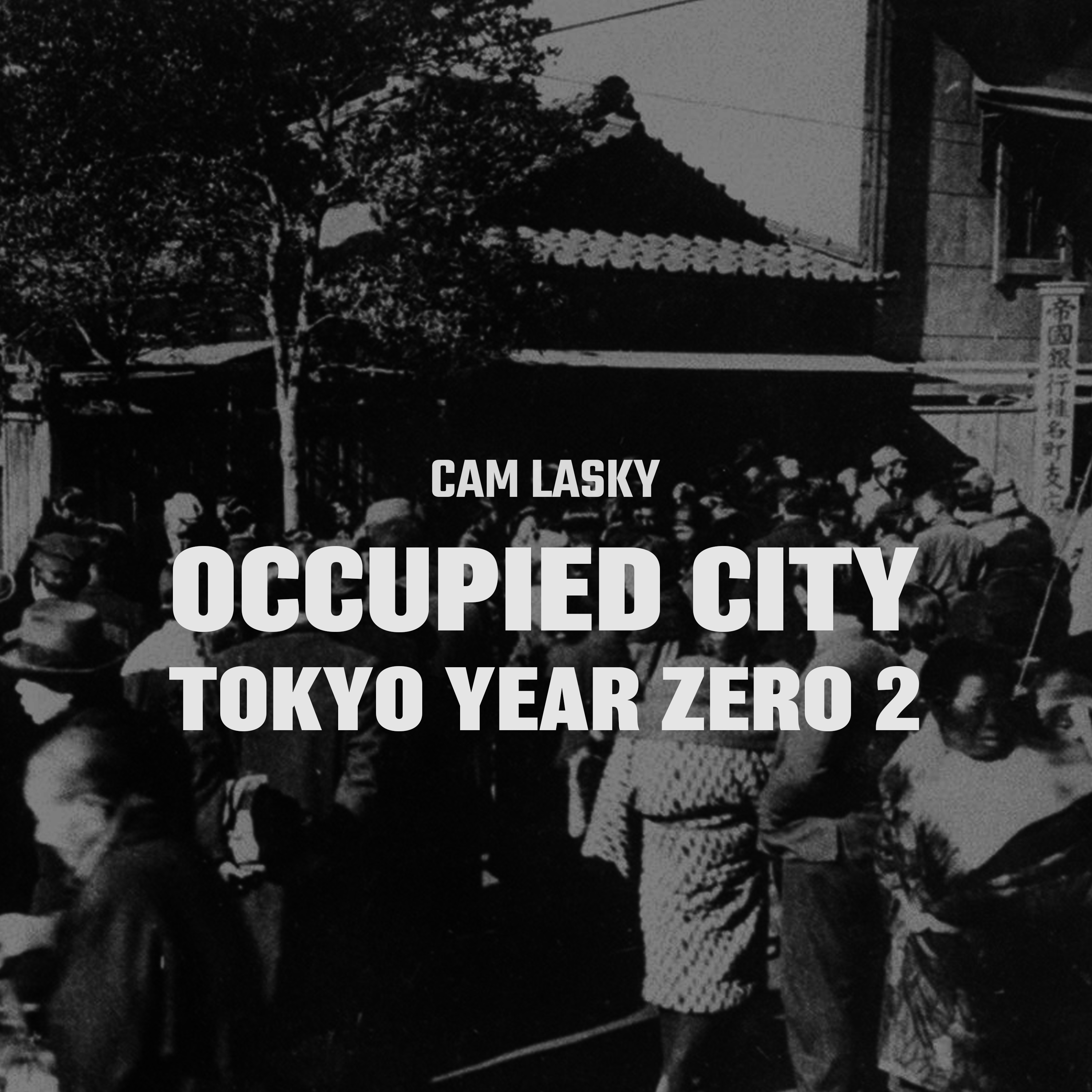
Occupied City
Before Tech Noir, there was Tokyo Noir.
Before the machines, there were ruins.
Before the systems, there were memories.
Before the city became data, the city was ash.
Tech Noir did not emerge from technology alone. It emerged from the memory of a defeated city.
Tokyo Noir is the foundation beneath every Cam Lasky work.
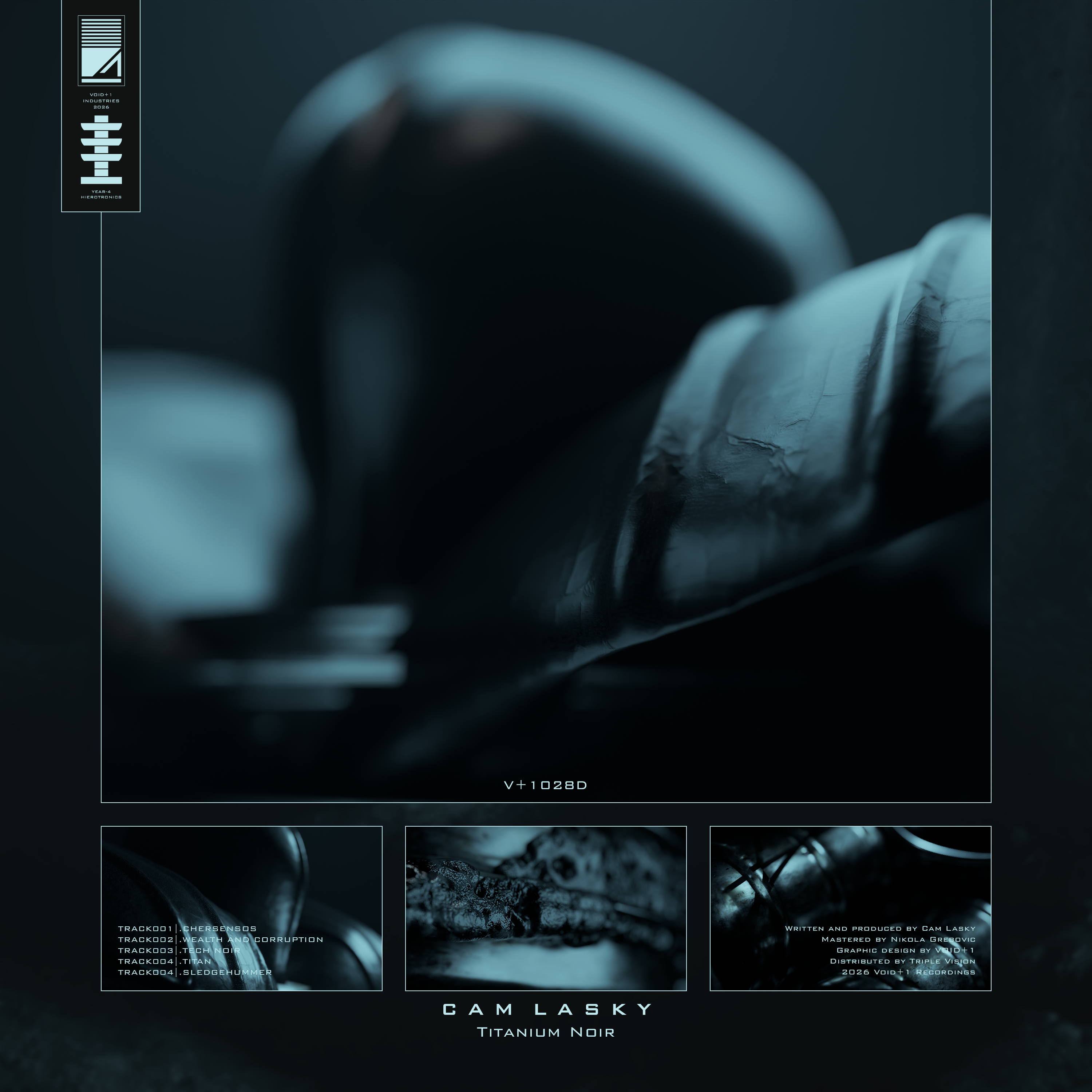
The first explicit Tech Noir experiment emerged through "Titanium Noir."
Released by Void+1 Recordings, the album reimagined Nick Harkaway's cyber-noir novel through techno.
Here, machines were no longer background scenery. They became narrative forces.
The city, technology, power structures and identity collapse all became musical material.
This was the first clear articulation of Tech Noir as an artistic system.
The next step arrived with Asako Yuzuki's Butter.
The project shifted away from pure techno momentum.
Silence, space, atmosphere and psychological texture became equally important.
Tech Noir evolved into Ambient Tech Noir.
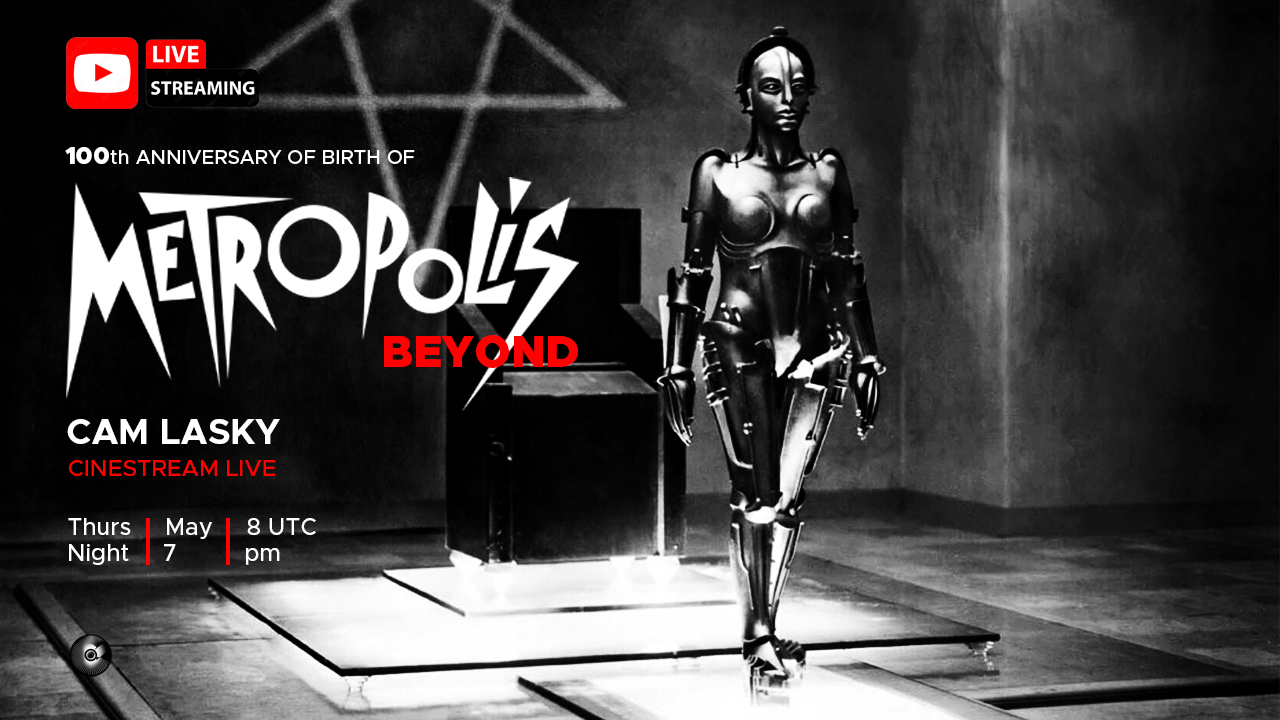
With METROPOLIS BEYOND, cinema entered the system.
Fritz Lang's vision of industrial modernity was reconstructed through ambient techno and live performance.
The machine became rhythm. Architecture became composition. Cinema became an instrument.
Tech Noir expanded beyond music and became a form of cinematic contemporary art.
The next destination is film noir itself.
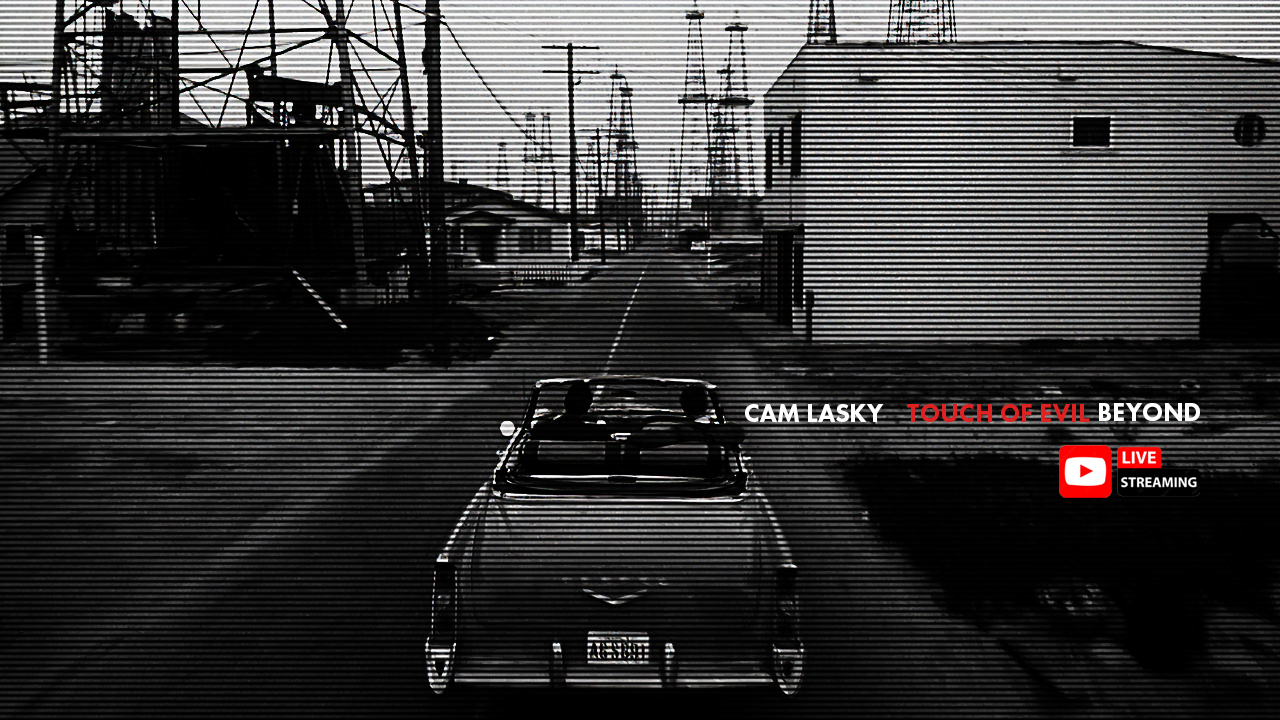
Orson Welles. Touch of Evil.
Not adaptation. Not restoration. Not preservation.
A dialogue across time. A 2026 response to a 1958 film.
An attempt to continue a conversation interrupted by history.
Through Tech Noir. Through image. Through rhythm. Through silence.
Technology is culture.
Machines have memory.
Cities are narrative systems.
Rhythm is architecture.
Cinema is an instrument.
Noise is information.
Silence is structure.
Noir is not darkness. Noir is revelation.
Tech Noir is the sound of hidden systems becoming visible.
The Evolution of Tech Noir
The postwar noir foundation. The musical reconstruction of David Peace's Tokyo Trilogy and the origin of Tokyo Noir.
The turning point where Tokyo Noir became Tech Noir through techno, technology and cyber-noir.
The quiet side of Tech Noir. An exploration of psychological space, feminism and Ambient Tech Noir.
Tech Noir continues through cinema →